Digital Marketing in 2026: How Smart Brands Are Winning the Internet
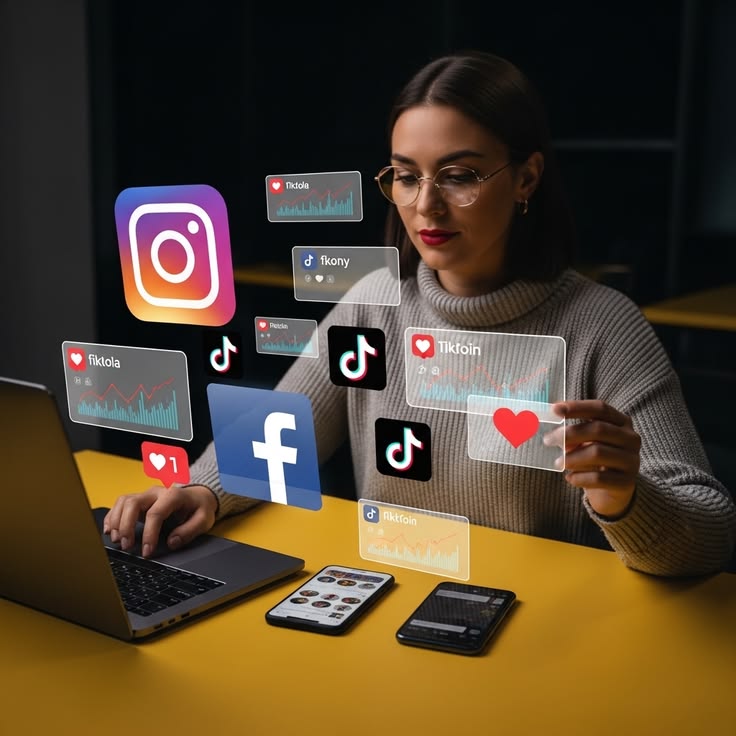
Digital marketing in 2026 is no longer just about running ads or posting content regularly. It has evolved into creating complete digital experiences that keep customers engaged across multiple platforms. Modern consumers expect personalized communication, fast responses, smooth online experiences, and content that feels relevant to their interests. Because of this shift, brands are now using artificial intelligence, automation, and data-driven strategies to understand customer behavior more effectively. Businesses can analyze audience preferences, predict trends, and deliver highly targeted content that improves engagement and strengthens customer relationships. Instead of relying on one-size-fits-all campaigns, brands focus on building personalized customer journeys that feel more human, interactive, and meaningful.
Successful brands in 2026 dominate the digital space by adapting quickly to changing trends and audience behavior. Short-form videos like reels, shorts, and stories generate the highest engagement because they deliver content quickly and visually. Brands using authentic storytelling, live content, and creator collaborations are building stronger online communities and gaining customer trust. Consumers now prefer relatable and genuine content over traditional polished advertisements.
Another major change in digital marketing is the rise of AI-powered search and smart recommendations. People increasingly use AI assistants and voice search to discover products and services. Because of this, businesses now focus on creating high-quality, informative, and trustworthy content. Modern SEO is no longer just about keywords. Content quality, expertise, and relevance play a much bigger role in improving online visibility and helping brands reach the right audience.
E-commerce and social commerce have also transformed how businesses sell products online. Customers can now discover products, watch demonstrations, interact with creators, read reviews, and complete purchases directly within social media platforms. This seamless shopping experience has made digital marketing more conversion-focused than ever before. Smart brands combine entertainment with commerce by creating engaging campaigns, interactive shopping experiences, and content designed to encourage instant purchasing decisions. Features like live shopping streams, AI-powered product recommendations, and interactive advertisements are helping businesses increase sales while keeping customers entertained. At the same time, consumers have become more aware of data privacy and online security. Brands that communicate transparently and handle customer information responsibly are building stronger trust and long-term loyalty.
Automation is another important factor shaping digital marketing in 2026. Businesses are using AI-powered tools to automate email campaigns, customer support, social media scheduling, audience segmentation, and ad optimization. This allows brands to save time while delivering faster and more personalized experiences to customers. Chatbots and virtual assistants are becoming smarter and more human-like, providing instant support and improving customer satisfaction. Automation also helps marketers analyze campaign performance in real time and make data-driven decisions more effectively. However, even with all these technological advancements, human creativity remains one of the most valuable aspects of successful marketing.
Technology can improve efficiency and automate repetitive tasks, but emotional storytelling, originality, and brand personality still come from human creativity. The most successful brands in 2026 are the ones that understand their audiences deeply and create experiences that feel authentic and emotionally engaging. Customers want brands that share values, tell meaningful stories, and connect with people on a personal level. Businesses that focus only on automation without maintaining creativity and human connection often struggle to build strong relationships with their audiences.
Another growing trend in digital marketing is immersive and interactive content. Technologies like augmented reality (AR), virtual reality (VR), and AI-generated experiences are becoming more common in online marketing campaigns. Brands are using these technologies to create virtual product experiences, interactive advertisements, and personalized digital environments that increase customer engagement. Interactive content not only captures attention but also encourages users to spend more time interacting with a brand, improving both engagement and conversion rates.
The importance of community building has also increased significantly in 2026. Successful brands are no longer treating customers as passive buyers. Instead, they focus on creating active online communities where people can interact, share experiences, and feel connected to the brand. Community-driven marketing builds stronger loyalty because customers feel like they are part of something meaningful. Social media groups, online forums, exclusive memberships, and creator communities are becoming valuable tools for brands looking to strengthen customer relationships.
In conclusion, digital marketing in 2026 is more advanced, personalized, and experience-driven than ever before. Artificial intelligence, automation, social commerce, and interactive technologies are transforming how brands communicate and connect with audiences online. However, despite all the advancements in technology, the core of successful marketing still depends on creativity, authenticity, and genuine human connection. Businesses that stay innovative, customer-focused, adaptable, and transparent will continue to grow and lead the future of digital marketing in an increasingly competitive digital world.