
advertising agency in thiruvadhuparam
advertising agency in thiruvadhuparam
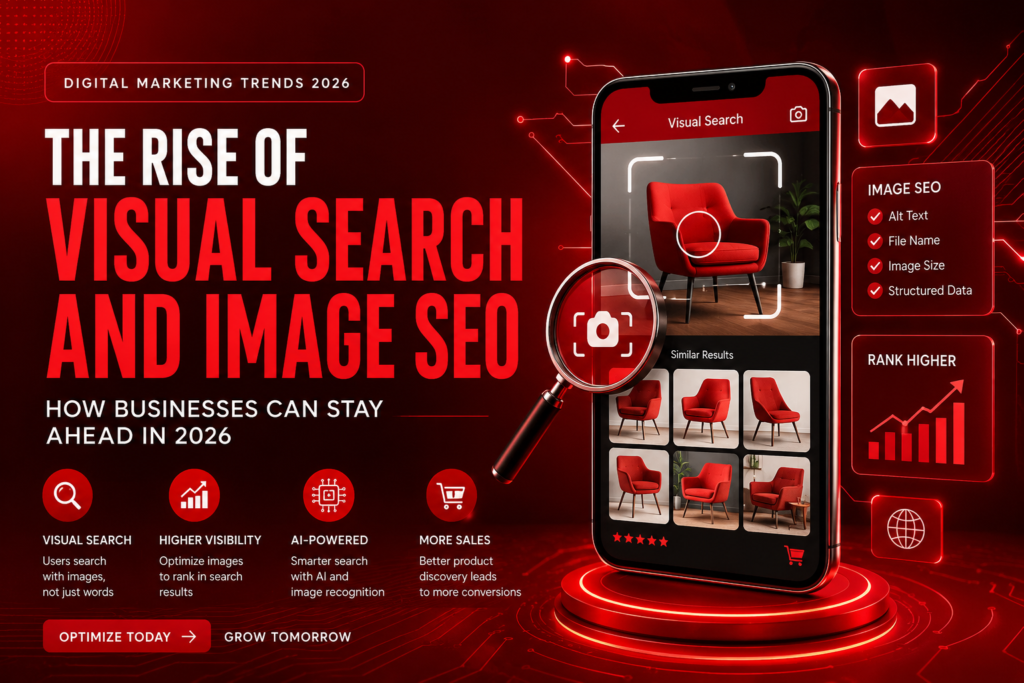
Visual Search and Image SEO is becoming one of the biggest digital marketing trends in 2026. As AI-powered search engines become smarter, businesses must optimize their images to improve search visibility, attract more organic traffic, and enhance the user experience. In the rapidly evolving world of digital marketing, search behavior is changing faster than ever before. Users are no longer relying only on typing keywords into search engines. Instead, they are increasingly using images to find products, services, and information online. This shift has made Visual Search and Image SEO one of the most important digital marketing trends in 2026.Whether someone wants to identify a product, find a similar outfit, discover home décor ideas, or shop for furniture, visual search technology allows users to simply upload an image or use their smartphone camera instead of typing a search query. As artificial intelligence continues to improve, search engines can now understand the content within images with remarkable accuracy. For businesses, this creates a huge opportunity to improve online visibility by investing in Visual Search and Image SEO.
If your business wants to stay competitive, optimizing images is no longer optional. Working can help you implement an effective image optimization strategy that attracts more visitors and improves search rankings. What is Visual Search? Visual search is an AI-powered technology that allows users to search using images instead of text. Instead of typing a product name, users can upload a photo or point their camera at an object to receive visually similar results. Modern search platforms use advanced artificial intelligence, machine learning, and image recognition technologies to analyze colors, shapes, patterns, text, and objects inside an image. The system then matches the uploaded image with similar products or information available online. As consumer behavior continues to evolve, Visual Search and Image SEO is becoming a major factor in helping businesses reach customers who prefer faster and more interactive search experiences. Why Visual Search Is Growing in 2026The popularity of smartphones, AI-powered search, and online shopping has significantly increased the demand for visual search. Consumers want quicker ways to find exactly what they are looking for without spending time typing detailed search queries.AI search experiences now understand images almost as well as written content.
This means businesses that optimize their images properly have a greater chance of appearing in search results. The rise of social commerce has also contributed to the growth of Visual Search and Image SEO. Users often discover products on social media and want to find similar items instantly. Visual search bridges this gap by making product discovery faster and more convenient. Why Image SEO Matters More Than Ever Many businesses spend considerable time optimizing blog content and webpages while overlooking their images. However, images play a vital role in both user experience and search visibility. Image SEO helps search engines understand what an image represents. When images are optimized correctly, they can appear in image search results, AI-powered search experiences, and even traditional search results. Effective Visual Search and Image SEO also improves page loading speed, enhances accessibility, increases user engagement, and contributes to better overall website performance. Businesses that optimize images consistently often experience higher organic traffic and better search visibility than those that ignore image optimization. Benefits of Visual Search and Image SEO Implementing a strong Visual Search and Image SEO strategy offers several advantages. Businesses can attract more qualified organic visitors because optimized images appear in both image searches and AI-powered search experiences. Image optimization improves website loading speed, creating a better experience for users and reducing bounce rates. Well-optimized product images help customers discover products more easily, increasing the chances of generating leads and sales.
Visual search also improves brand visibility because users repeatedly encounter your products across different search platforms. For eCommerce businesses, optimized product images can significantly improve conversions by making products easier to find. Best Practices for Image SEO in 2026Businesses should follow several best practices to maximize the benefits of Visual Search and Image SEO. Use descriptive file names instead of generic names like "IMG12345.jpg." A meaningful file name helps search engines understand image content. Write clear and descriptive alt text that accurately explains the image while naturally including relevant keywords. Compress images before uploading them to improve website loading speed without reducing quality. Use modern image formats such as Web whenever possible to achieve better performance. Create responsive images so they display correctly on desktops, tablets, and smartphones. Add captions when appropriate, as captions provide additional context for both users and search engines. Include structured data for product images to improve visibility in rich search results. Create and submit image sitemaps to help search engines discover all important images on your website.
Common Image SEO Mistakes Despite the growing importance of image optimization, many businesses continue to make avoidable mistakes. Uploading oversized images slows website performance and negatively affects user experience. Ignoring alt text reduces accessibility and limits search engine understanding. Using duplicate images across multiple pages decreases uniqueness and may reduce search performance. Generic file names fail to provide valuable information to search engines. Neglecting mobile optimization creates poor experiences for smartphone users, who represent a significant portion of visual search traffic. Avoiding these mistakes strengthens your overall Visual Search and Image SEO strategy. The Role of Artificial Intelligence in Visual Search Artificial intelligence is transforming how search engines interpret visual content. Instead of relying only on metadata, AI can recognize objects, people, logos, locations, colors, and even emotions within images. This means businesses must focus on creating authentic, high-quality visuals that accurately represent their products and services.
As AI continues to evolve, Visual Search and Image SEO will become even more intelligent, allowing search engines to provide highly personalized recommendations based on visual content. Preparing Your Business for the Future Businesses should begin investing in professional photography, original graphics, optimized product images, and faster websites. High-quality visuals not only improve customer trust but also increase the likelihood of appearing in visual search results. Combining strong content marketing with Visual Search and Image SEO creates a powerful strategy for increasing organic traffic and long-term online visibility. Companies that adapt early will gain a competitive advantage as visual search becomes a standard part of everyday online behavior.
Conclusion The future of search is becoming increasingly visual. As artificial intelligence continues to reshape how people discover products and information, businesses must rethink their SEO strategies beyond traditional keywords. Visual Search and Image SEO is no longer just an additional optimization technique it is becoming a core component of successful digital marketing in 2026.By optimizing every image with descriptive file names, relevant alt text, modern formats, structured data, and fast-loading performance, businesses can improve visibility, attract more qualified visitors, and create better user experiences. Whether you operate an eCommerce store, a service-based business, or a local brand, investing in Visual Search and Image SEO today will help you stay ahead of the competition and prepare for the future of AI-driven search.

Grow your brand with creative advertising, digital marketing, branding, and media solutions tailored for success.
Call us for creative growth solutions.
Send us your project details anytime
Serving brands across Kerala & beyond.
Copyright © 2026 funads
WhatsApp us