How AI is Revolutionizing Digital Marketing: 10 Trends You Can’t Ignore
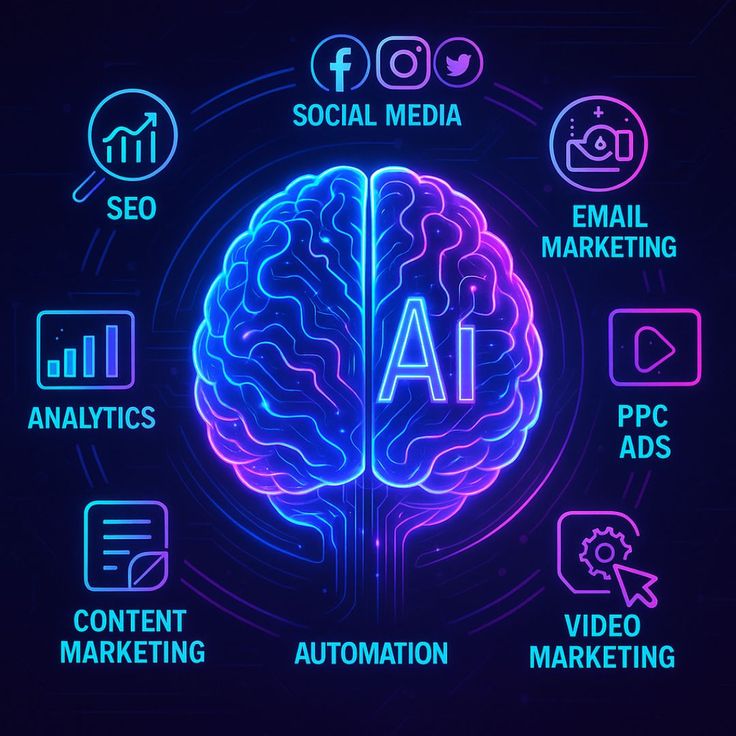
Artificial Intelligence (AI) is no longer just a trend—it’s a core part of successful digital marketing. Businesses today use AI not only to automate tasks but to make smarter decisions, improve customer experiences, and drive faster growth.
From predictive analytics to hyper-personalized campaigns, AI is helping brands stay ahead in an increasingly competitive digital landscape.
In this blog, we’ll explore 10 powerful AI marketing strategies that can help you scale your business efficiently and effectively.
Why AI is Essential for Modern Marketing
AI helps businesses work smarter, not harder. Instead of relying on guesswork, marketers can now make data-driven decisions backed by real insights.
AI can:
- Analyze large volumes of data instantly
- Predict customer behavior
- Automate repetitive tasks
- Personalize customer experiences
- Improve campaign performance
The result? Better engagement, higher conversions, and improved ROI.
1. AI-Powered Customer Segmentation
AI tools can analyze customer data such as behavior, interests, and purchase history to divide audiences into highly specific segments.
This allows businesses to:
- Target the right audience
- Deliver relevant content
- Increase conversion rates
Instead of broad marketing, you get precision marketing.
2. Predictive Analytics for Smarter Decisions
Predictive analytics uses AI to forecast future customer behavior based on past data.
With this, businesses can:
- Anticipate customer needs
- Optimize marketing campaigns
- Reduce churn
It helps you stay one step ahead of your customers.
3. AI Content Generation
AI tools can create:
- Blog posts
- Social media captions
- Email campaigns
- Ad copy
These tools save time while maintaining quality and consistency. They also optimize content based on SEO trends and audience preferences.
4. Hyper-Personalized Marketing Campaigns
AI enables personalization at scale by delivering tailored messages to individual users.
Examples include:
- Personalized email campaigns
- Product recommendations
- Dynamic website content
This improves user experience and builds stronger customer relationships.
5. Chatbots for 24/7 Customer Support
AI-powered chatbots can handle customer queries instantly, anytime.
Benefits include:
- Faster response times
- Improved customer satisfaction
- Reduced support costs
They also help generate leads and guide users through the sales funnel.
6. AI for Social Media Management
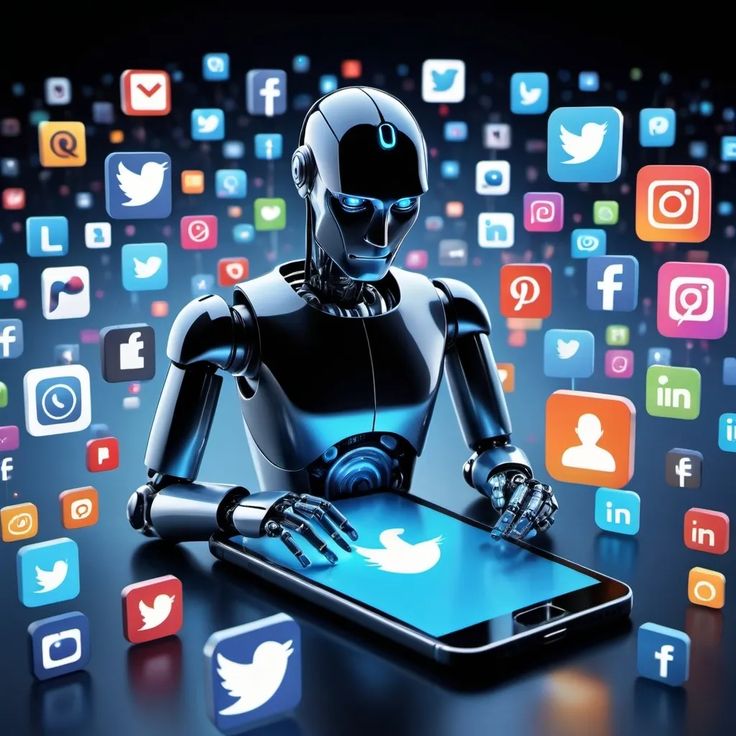
AI tools can:
- Schedule posts
- Analyze engagement
- Suggest the best posting times
- Track performance
This helps businesses maintain a strong and consistent social media presence without constant manual effort.
7. Smart Email Marketing Automation
AI improves email marketing by:
- Optimizing subject lines
- Personalizing content
- Sending emails at the right time
This leads to higher open rates, click-through rates, and conversions.
8. AI-Driven Ad Optimization
AI enhances paid advertising by:
- Automatically adjusting bids
- Targeting the right audience
- Testing multiple ad variations
Platforms use AI to ensure your ads perform better and deliver maximum ROI.
9. Voice Search Optimization
With the rise of voice assistants, optimizing for voice search is becoming essential.
AI helps businesses:
- Understand natural language queries
- Optimize conversational keywords
- Improve search visibility
This ensures your brand stays relevant in evolving search trends.
10. AI-Based Marketing Analytics
AI analytics tools provide deep insights into:
- Campaign performance
- Customer behavior
- Conversion metrics
These insights help businesses refine their strategies and make better decisions.
How to Implement AI in Your Marketing Strategy
Start by identifying your business goals. Whether it’s increasing traffic, improving conversions, or boosting engagement, choose AI solutions that align with your objectives.
Begin with one or two tools, test their performance, and gradually scale your usage. Ensure proper integration with your existing systems for smooth workflows.
Challenges to Consider
While AI offers many benefits, there are a few challenges:
- Learning curve for new tools
- Data privacy concerns
- Initial investment costs
However, with the right approach, these challenges can be managed effectively.
Conclusion
AI is transforming marketing in ways we couldn’t imagine a few years ago. By leveraging the right strategies, businesses can automate processes, improve customer experiences, and achieve faster growth.
The key is not just using AI—but using it strategically.
Start integrating AI into your marketing today and position your business for long-term success.